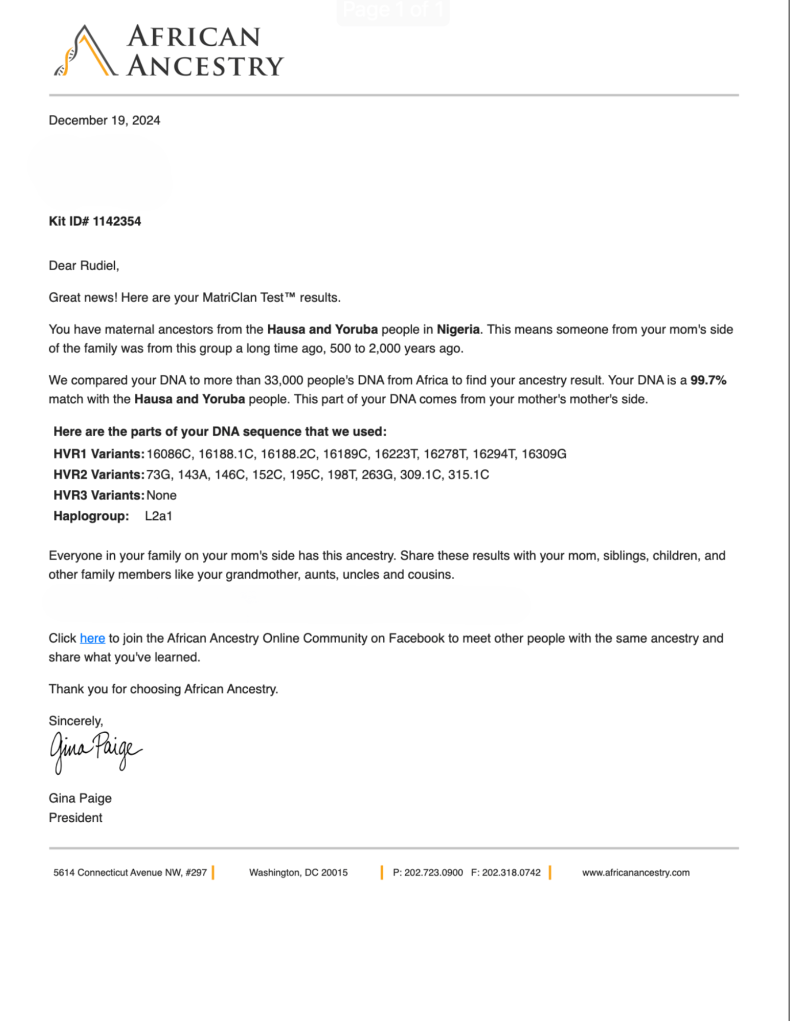
HAUSA AND YORUBA PEOPLE
The Hausa and Yoruba People of Nigeria are incredibly diverse, with over 250 ethnic groups and rich cultural traditions. The largest ethnic groups are the Hausa-Fulani, Yoruba, and Igbo, which collectively account for the majority of the population. Smaller groups include the Tiv, Kanuri, Efik, Ijaw, and Nupe, among many others.
Key Features of Nigerian People:
- Ethnic Diversity: Each ethnic group has its own language, traditions, and customs, contributing to Nigeria’s vibrant cultural tapestry.
- Languages: While English is the official language, hundreds of indigenous languages are spoken, including Yoruba, Hausa, Igbo, Fulfulde, and Kanuri.
- Religious Practices: The population is predominantly Muslim (mainly in the north) and Christian (mainly in the south), with traditional African religions also playing a role in cultural practices.
- Cultural Heritage: Nigerian people are known for their vibrant festivals, colorful attire (such as agbada, ankara, and gele), music (Afrobeat, highlife, and traditional drumming), and dance.
- Hospitality: Nigerians are celebrated for their warmth, resilience, and community spirit.
Despite differences, the people of Nigeria share a strong sense of national identity and pride, expressed through their art, cuisine, and celebrations.
The Hausa and Yoruba are two of the largest and most influential ethnic groups in Nigeria, each with a rich cultural history and distinct traditions. Here’s an overview:
Hausa Tribe
Location:
- Primarily found in northern Nigeria, the Hausa are also spread across neighboring countries like Niger, Cameroon, Ghana, and Chad.
Language:
- Hausa is both the name of the people and their language. The Hausa language is one of the most widely spoken in Africa and serves as a lingua franca in West Africa.
Culture:
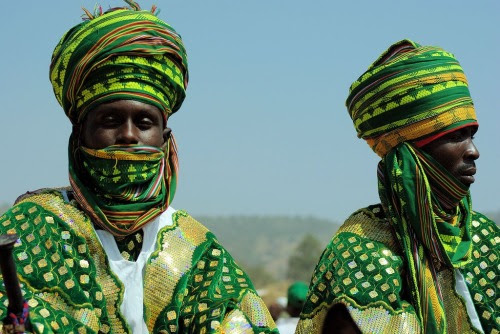
- Known for their hospitality, the Hausa are deeply rooted in Islamic traditions, which influence their culture, governance, and way of life.
- Traditional attire includes the baban riga (a flowing gown for men) and zani or abaya for women, often accompanied by colorful embroidery.
Religion:
- The vast majority of Hausa people are Muslim. Islam plays a central role in their daily lives, from festivals to education.
Economy:
- Traditionally, the Hausa were traders, known for their role in trans-Saharan trade routes. Today, they are heavily involved in agriculture (farming millet, sorghum, and groundnuts) and crafts like leatherwork and weaving.
Festivals:
- The Hausa celebrate Islamic holidays like Eid al-Fitr and Eid al-Adha. They also hold cultural festivals like the Durbar, which features horse parades and traditional music.

Yoruba Tribe
Location:
- The Yoruba primarily reside in southwestern Nigeria, with a significant presence in Benin, Togo, and the diaspora, especially in the Americas due to the transatlantic slave trade.
Language:
- The Yoruba language belongs to the Niger-Congo family and has several dialects. It is also widely spoken among Yoruba communities in the diaspora.
Culture:
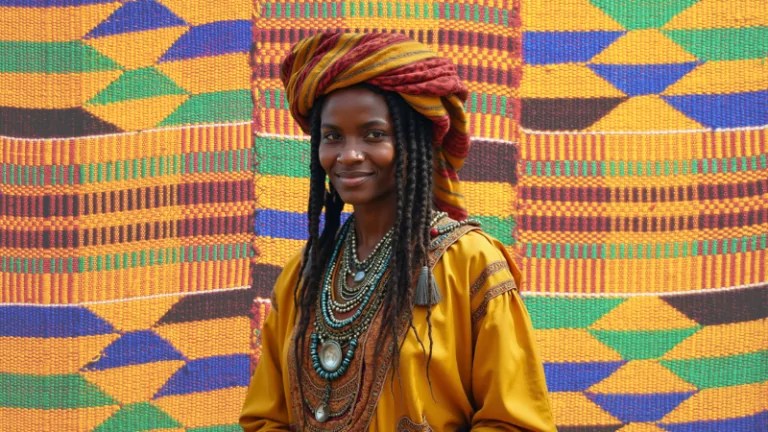
- Yoruba culture is rich in art, music, and storytelling. They are known for their intricate beadwork, sculpture (particularly in bronze and terracotta), and vibrant textiles like aso oke.
- Yoruba traditional attire includes agbada for men and iro and buba for women, often made from colorful, handwoven fabrics.
Religion:
- Yoruba religion is a complex belief system that involves worshiping a supreme being (Olodumare), numerous deities (Orishas), and ancestral spirits.
- Many Yoruba people are now Christian or Muslim, though traditional beliefs and practices still influence their worldview.
Economy:
- The Yoruba are skilled farmers, traders, and artisans. Major crops include cocoa, yams, and palm oil. They also excel in urban professions, commerce, and academia.
Festivals:
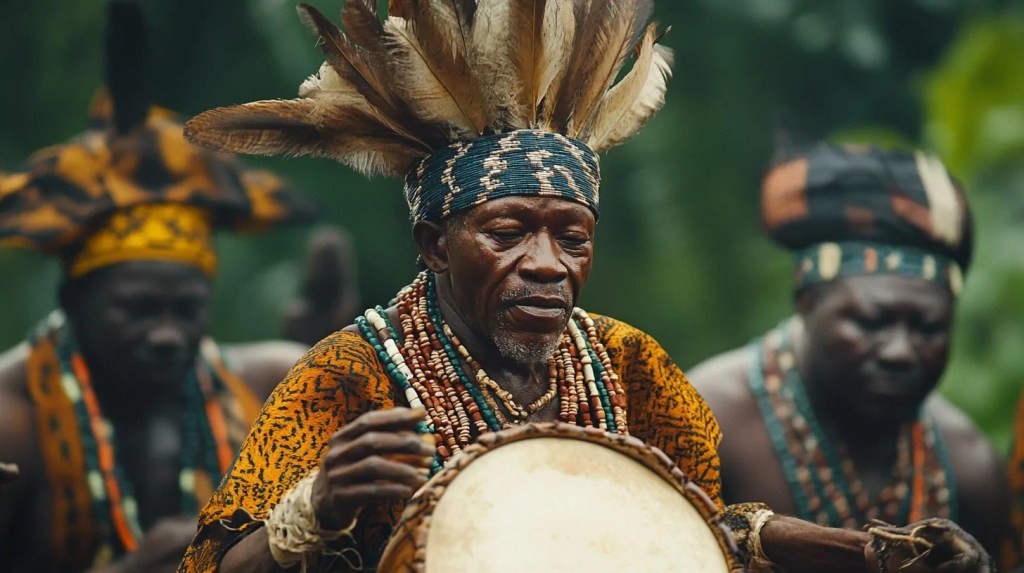
- Festivals like Eyo (in Lagos), Osun-Osogbo (in Osun State), and Egungun (ancestral masquerade) are integral to Yoruba culture.
- These festivals celebrate their spirituality, history, and communal ties.


Comparison and Interaction
- Language: While Hausa is a Chadic language and Yoruba is a Niger-Congo language, both groups play a significant role in Nigeria’s linguistic diversity.
- Religion: Hausa culture is predominantly influenced by Islam, while the Yoruba are religiously diverse, with Christians, Muslims, and practitioners of traditional religions.
- Economy: Both groups contribute significantly to Nigeria’s economy, with the Hausa dominating agriculture and trade in the north and the Yoruba excelling in commerce and urban professions in the south.
Despite their differences, the Hausa and Yoruba interact extensively, especially in Nigeria’s diverse urban areas, contributing to the country’s vibrant cultural landscape.



Migration in Nigeria is shaped by various social, economic, and environmental factors. It encompasses both internal and international migration, with significant movements occurring historically and in modern times.
 SAPPYBEULAH